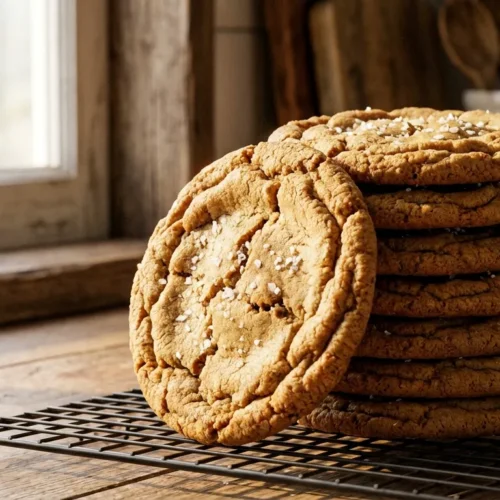
Chewy Brown Sugar Chipless Cookies
Equipment
- Baking Sheets
- Parchment Paper
- Stand Mixer or Hand Mixer
- Cookie Scoop
Ingredients
Wet Ingredients
- 1/2 cup salted butter softened to room temperature
- 3/4 cup dark brown sugar packed
- 1/4 cup granulated white sugar
- 1 large egg room temperature
- 1 tbsp pure vanilla extract
Dry Ingredients
- 1 1/2 cups all-purpose flour spooned and leveled
- 1 tsp cornstarch
- 1/2 tsp baking soda
- 1/4 tsp salt omit if using extra salty butter
Instructions
- Preheat your oven to 350°F (175°C) and line two baking sheets with parchment paper.
- Phase 1: The Creaming Method. In a large bowl, beat softened butter, dark brown sugar, and white sugar on medium-high for 3-4 minutes until pale and fluffy.
- Phase 2: Adding Moisture. Add the egg and vanilla extract. Mix on medium speed just until combined and glossy.
- Phase 3: The Dry Ingredients. Whisk flour, cornstarch, baking soda, and salt in a separate bowl. Add to wet ingredients and mix on low speed until no flour streaks remain.
- Phase 4: Scooping and Baking. Scoop 2-tablespoon sized balls and place on sheets 2 inches apart. Bake for 9-11 minutes until edges are golden but centers are pale. Cool on the sheet for 5 minutes.
Notes
Let’s be honest for a second: how many times have you made a batch of cookie dough, intending to bake it, but ended up eating half the bowl before it even hit the oven? For me, the magic of a classic cookie isn’t always the chocolate; it’s that buttery, caramel-infused dough. That nostalgic realization is exactly what inspired this chipless cookies recipe.
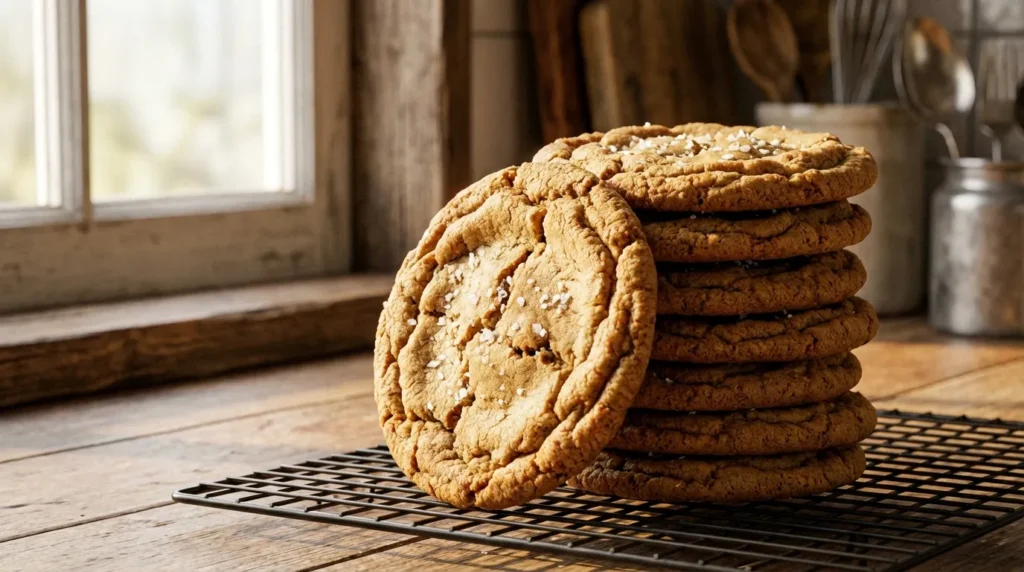
These cookies are often affectionately called “naked cookies” or “brown sugar cookies” in my house. They possess all the complex flavor profiles of your favorite bakery treat—crispy, caramelized edges, a soft, gooey center, and rich notes of vanilla and butterscotch—just without the chocolate distraction.
If you are looking for the ultimate chipless cookies recipe that delivers a melt-in-your-mouth texture and takes less than 30 minutes from mixing bowl to cooling rack, you have arrived at the right place. This is arguably the best version of this recipe because I’ve tweaked the brown sugar ratio to ensure they stay chewy for days, not just hours.
Why You’ll Love This Chipless Cookies Recipe
There is a distinct science to baking cookies without chocolate chips. Without the solid structure of the chocolate to hold the dough up, you need a precise balance of fats and sugars to prevent them from spreading into a flat, greasy mess. Here is why this specific formula works:
- Pantry Friendly: You likely have every single ingredient in your kitchen right now. No running to the store for expensive chocolate chunks.
- Texture Heaven: This chipless cookies recipe relies on a higher ratio of brown sugar to white sugar. This increases the moisture content, resulting in a center that stays soft and chewy while the edges get that satisfying crunch.
- Flavor Clarity: Without the overpowering taste of cocoa, the high-quality butter and pure vanilla extract finally get their moment to shine.
- No Chill Time Required: While chilling dough can develop flavor, this recipe is designed to be baked immediately for those urgent cravings.
Ingredients & Substitutions
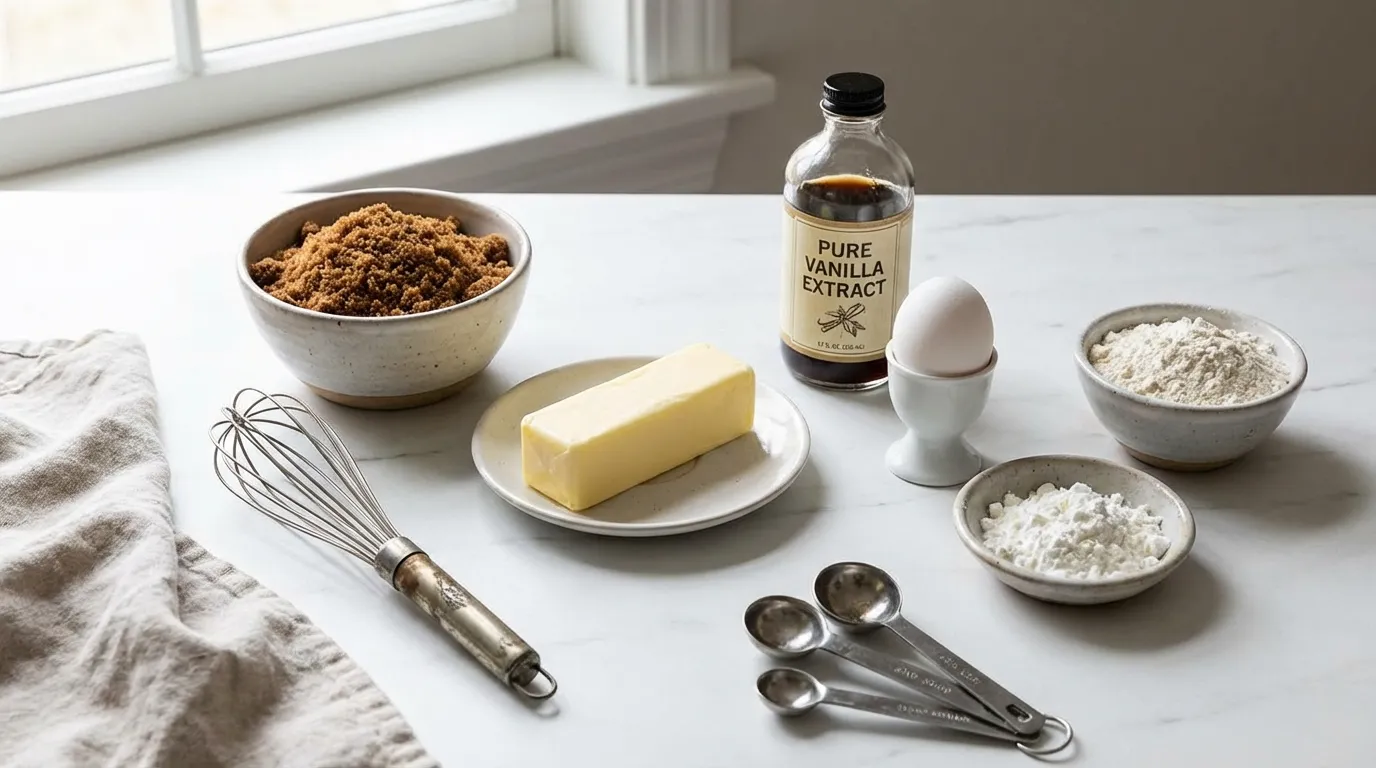
To nail these chipless chocolate chip cookies, the quality of your base ingredients matters more than usual because there is no chocolate to hide behind. Here is what you need and why:
- Butter: I use salted butter, softened to room temperature. Why salted? In a sweet recipe like this, that extra sodium helps cut through the sugar and enhances the butterscotch flavor. If you only have unsalted, increase the added salt by 1/4 teaspoon.
- Brown Sugar: This is the MVP of the recipe. I prefer dark brown sugar because it has a higher molasses content, which gives the chipless cookies a deeper color and a stickier, chewier texture. Light brown sugar works, but the flavor will be milder.
- Granulated White Sugar: You need a small amount of white sugar to help the edges crisp up. Without it, the cookie would be too soft and cake-like.
- Egg: Use a large egg at room temperature. A cold egg can shock the butter and cause the batter to curdle (separate), leading to an uneven bake.
- Vanilla Extract: Since we are making chocolate chip cookies without chocolate chips, do not skimp here. Use a full tablespoon of pure vanilla extract. Imitation vanilla tends to bake out and lose flavor at high heat.
- All-Purpose Flour: Standard AP flour provides the perfect structure.
- Cornstarch: This is my secret weapon. Just one teaspoon keeps the cookies tender and soft in the middle.
- Baking Soda: This provides the lift and helps the cookies spread just enough.
Dietary Substitutions:
- Gluten-Free: You can substitute the flour with a 1:1 Gluten-Free All-Purpose Baking Flour (like Bob’s Red Mill). The texture will be slightly more brittle but still delicious.
- Dairy-Free: Swap the butter for a high-quality vegan butter block (not tub margarine, which is too watery).
How to Make Chipless Cookies Recipe
Follow these steps closely. Baking is chemistry, and the order in which we introduce ingredients changes the final product.
Phase 1: The Creaming Method
Preheat your oven to 350°F (175°C) and line two baking sheets with parchment paper. I always recommend parchment over greasing the pan, as grease can cause the bottoms to burn.
In a large mixing bowl (or stand mixer fitted with the paddle attachment), combine your softened butter, dark brown sugar, and granulated sugar. Beat this mixture on medium-high speed for at least 3 to 4 minutes.
Chef’s Tip: Do not rush this step. You want the mixture to look pale and fluffy. This process forces air into the butter, which acts as a mechanical leavener. This is the difference between a dense, greasy puck and a light, chewy chipless cookies recipe success.
Phase 2: Adding Moisture and Flavor
Scrape down the sides of the bowl with a rubber spatula. Add the egg and that generous tablespoon of vanilla extract. Mix on medium speed just until combined. The mixture should look glossy and smooth.
Chef’s Tip: Stop mixing as soon as the egg is incorporated. Overbeating the egg can introduce too much air, causing the cookies to puff up in the oven and then collapse, leaving them flat and wrinkled in a bad way.
Phase 3: The Dry Ingredients
In a separate small bowl, whisk together the flour, cornstarch, baking soda, and salt. Pour the dry ingredients into the wet mixture.
Turn your mixer to the lowest speed and mix only until you no longer see streaks of white flour. It is perfectly fine if there are a few tiny lumps.
Chef’s Tip: Overmixing at this stage develops gluten. Unless you want your chipless cookies to taste like tough bread, treat the dough gently once the flour is added.
Phase 4: Scooping and Baking
Use a medium cookie scoop (about 2 tablespoons) to portion the dough. Roll them into smooth balls between your palms. Place them on the baking sheet, spaced 2 inches apart.
Bake for 9–11 minutes. The key is to pull them out when the edges are golden brown but the centers still look slightly underbaked and pale. They will continue to cook on the hot baking sheet after you remove them from the oven.
Let them cool on the sheet for 5 minutes, then transfer to a wire rack.
Expert Tips for Perfect Results
I have baked hundreds of batches of chipless chocolate chip cookies to perfect this method. Here are a few advanced tips to take your baking from “good” to “bakery quality.”
1. The “Pan-Banging” Technique: If you love those crinkly ripples on top of your cookies, try this: halfway through the baking time, open the oven door, lift the baking sheet up a few inches, and drop it onto the rack. This deflates the cookie slightly, creating ridges. Repeat once more when you pull them out of the oven.
2. Measure Flour Correctly: If you scoop your measuring cup directly into the flour bag, you are packing the flour down. This can result in adding up to 20% more flour than the chipless cookies recipe calls for, making them dry. Instead, use the “spoon and level” method: spoon flour into the cup and level it off with a knife.
3. Room Temperature is Real: I cannot stress this enough. If your butter is too warm (oily), the cookies will spread into puddles. If it’s cold, they won’t spread at all. The butter should yield slightly to a finger press but not look greasy.
4. Add a Topping: Since these are cookies without chocolate chips, I love finishing them with flaky sea salt (like Maldon) the second they come out of the oven. The salt crunch against the sweet brown sugar is phenomenal.
Storage & Reheating
One of the best things about this chipless cookies recipe is how well the cookies keep. Because of the high brown sugar content, they naturally resist drying out.
- Room Temperature: Store the cooled cookies in an airtight container for up to 5 days. To keep them extra soft, place a slice of white bread in the container with them. The cookies will absorb moisture from the bread, staying fresh longer.
Freezing: You can freeze the baked cookies for up to 3 months. However, my preferred method is freezing the dough*. Scoop the dough balls, freeze them on a tray until solid, then transfer to a ziplock bag. You can bake them straight from frozen—just add 1–2 extra minutes to the baking time.
- Reheating: To revive a day-old cookie, pop it in the microwave for 10 seconds. It will taste like it was just baked.
Serving Suggestions
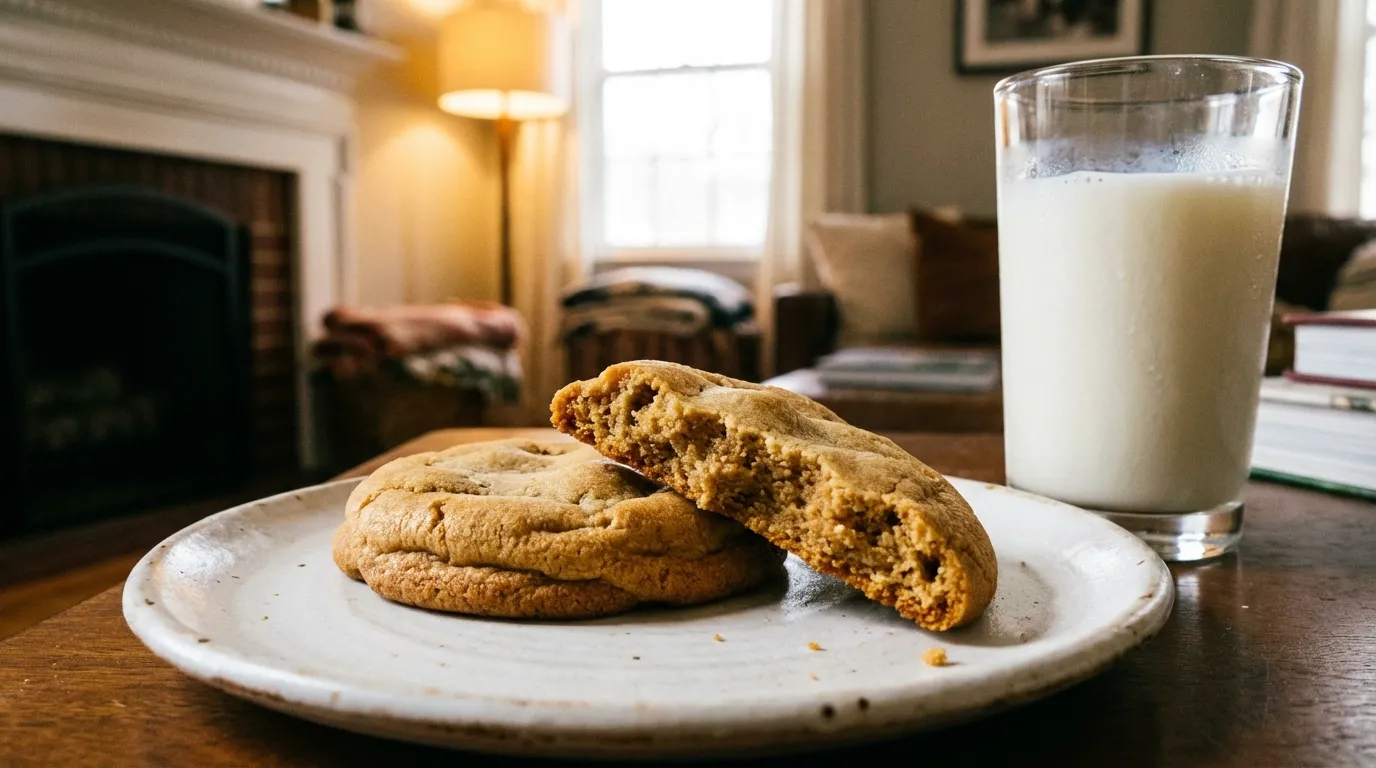
These buttery delights are versatile. While they are perfect on their own, serving them the right way can elevate the experience.
- The Classic: A tall glass of cold milk is non-negotiable for many. The creamy milk balances the intense sweetness of the brown sugar.
Ice Cream Sandwiches: Because these chipless cookies are flat and chewy, they make the perfect* vessel for ice cream sandwiches. Try sandwiching a scoop of salted caramel or coffee ice cream between two cooled cookies.
- Coffee Pairing: The caramel notes in the cookie pair beautifully with a dark roast coffee or an espresso.
However, we all know that balance is key in a diet. If you’ve been browsing through healthy baking recipes to find lighter options for your weekly meal prep, you can consider this recipe your “cheat day” treat or serve these alongside a fruit platter to lighten the dessert course.
Conclusion
There is a simple elegance to chocolate chip cookies without chocolate chips. It is a bold move to remove the most famous ingredient from a classic recipe, but the result is undeniably delicious. It forces you to appreciate the caramelization of the sugar and the richness of the butter.
Once you try this chipless cookies recipe, you might find yourself “forgetting” to buy chocolate chips more often. The texture is addictive, the flavor is nostalgic, and the simplicity is unbeatable.
Did you make this recipe? I’d love to see your “naked cookies”! Rate the recipe below and leave a comment about how they turned out.
Common Questions About Chipless Cookies Recipe
Why did my cookies spread too much?
This usually happens for two reasons: either your butter was too melted when you started mixing, or you didn’t use enough flour. Ensure your butter is at cool room temperature. If your kitchen is very hot, chill the dough for 30 minutes before baking.
Can I add other mix-ins to this dough?
Absolutely! This is a universal base dough. While this is a chipless cookies recipe, you can easily fold in nuts, dried cranberries, or toffee bits if you want to add texture without adding chocolate.
Why are my cookies cakey instead of chewy?
Cakey cookies are usually the result of too much egg or too much flour. Make sure you are measuring your flour by spooning it into the cup, and ensure you use the exact amount of butter specified. Also, omitting the brown sugar in favor of white sugar will result in a cakier texture.
Can I make the dough ahead of time?
Yes, and the flavor actually improves! You can keep the dough covered in the refrigerator for up to 72 hours. The flour hydrates more fully over time, leading to a deeper flavor and better browning.
Is this the same as a sugar cookie?
No. A sugar cookie relies primarily on white granulated sugar and often uses baking powder, resulting in a lighter, crisper, and paler cookie. These chipless cookies rely on brown sugar and baking soda, creating a dense, chewy, molasses-forward flavor profile similar to a blondie.