Creamy Protein Milkshake Recipe
Equipment
- Blender
Ingredients
The Base
- 1 cup unsweetened almond milk (or oat milk) use less for thicker shake
- 1 scoop Whey Isolate Protein Powder Vanilla or Chocolate
Thickeners & Flavor
- 1 medium frozen banana or 1 cup frozen zucchini/cauliflower for low carb
- 0.25 tsp xanthan gum optional for thickness
- 1 tbsp cocoa powder optional for extra chocolate
- 1 tbsp nut butter optional
- 1 pinch sea salt
Instructions
- Phase 1: The Liquid Foundation. Pour your liquid (almond milk or oat milk) into the blender canister first. This creates a vortex that pulls ingredients down.
- Phase 2: Emulsification. Add the protein powder, cocoa powder (if using), and xanthan gum directly on top of the liquid. Pulse for 5-10 seconds to dissolve the powder and prevent clumping.
- Phase 3: The Thickening. Add the frozen banana (or zucchini) and ice cubes. If using nut butter, add it now.
- Phase 4: The Blend. Start on low speed, then increase to high. Blend for 45-60 seconds until the sound changes to a smooth hum and you see a folding motion at the top. Serve immediately in a chilled glass.
Notes
* Frozen Cubes: Freeze almond milk or coffee in ice trays instead of water to prevent dilution.
* Watch the Heat: Do not blend longer than 90 seconds or the friction will warm the shake.
* Glassware: Serve in a frozen mug to maintain thickness.
There is nothing quite like that first sip of a thick, frosty shake that requires a spoon rather than a straw. For years, I struggled to find the balance between a nutritious post-workout recovery drink and something that actually tasted like a treat. Too often, home attempts result in watery, chalky disappointments that separate before you can finish them. After countless mornings testing ratios in my blender and experimenting with thickeners, I have finally perfected the ultimate protein milkshake recipe.
This isn’t just cold milk with powder stirred in; this is a decadent, velvet-textured shake that rivals anything you’d get at a diner, but with a fraction of the sugar and a massive hit of muscle-building nutrition. Whether you are looking for a quick breakfast, a post-gym refuel, or a late-night craving buster, this is the protein milkshake recipe you will turn to again and again. It’s rich, creamy, and completely customizable.
Why You’ll Love This Protein Milkshake Recipe
If you have been hunting for how to make a protein milkshake that doesn’t taste like “health food,” you have come to the right place. Here is why this specific formula works better than just shaking a bottle:
- Ice Cream Texture without the Guilt: By utilizing frozen fruit or frozen milk cubes instead of regular ice, we avoid the “watery” texture that plagues most protein shake recipes.
- Customizable Macros: This base recipe allows you to easily adjust the fat and carb content based on your dietary needs, whether you are Keto, Paleo, or just eating clean.
- No “Chalky” Aftertaste: The specific blending order I use ensures the protein powder is fully emulsified into the liquid before the thickening agents are added, resulting in a smooth finish.
- Satiety: Thanks to the high volume and fiber content from the thickeners, this protein milkshake recipe keeps you full for hours, preventing mindless snacking.
Ingredients & Substitutions
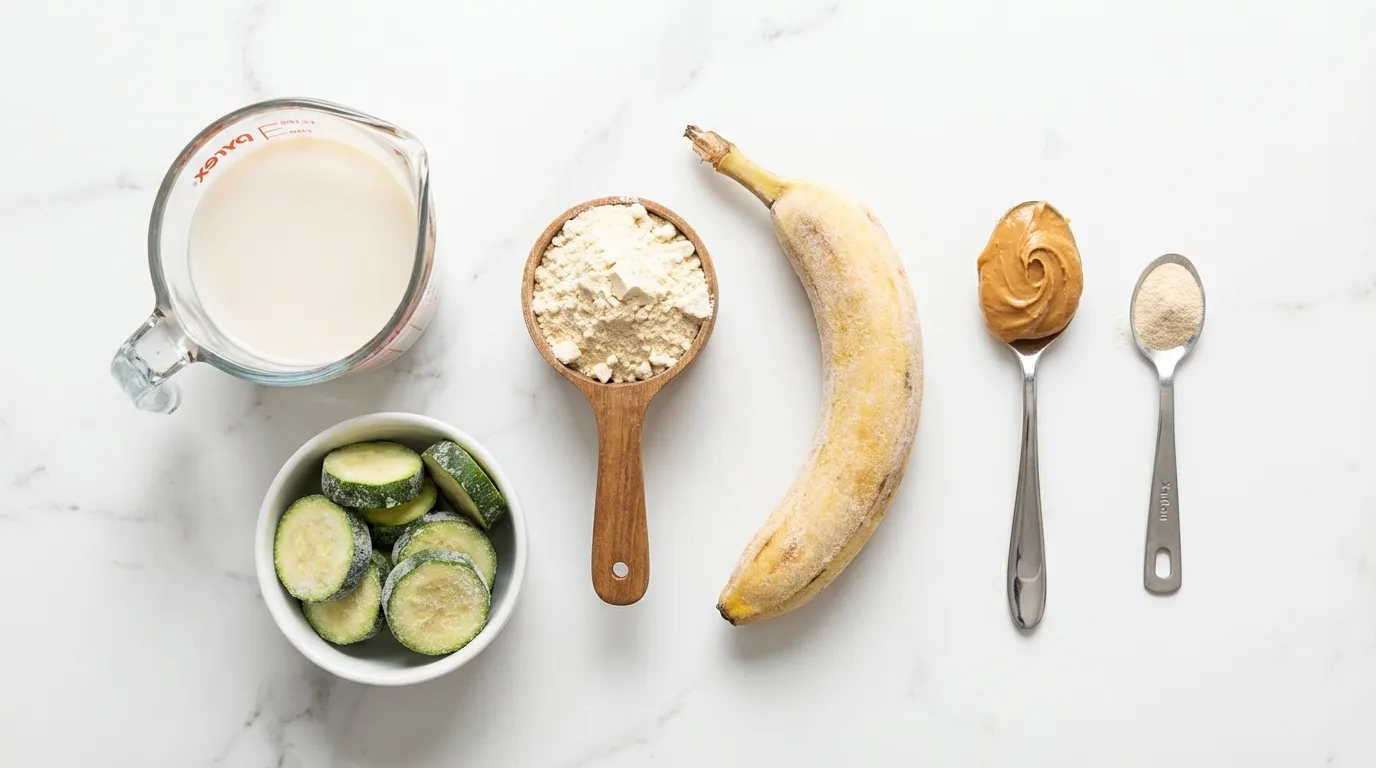
Great cooking always starts with understanding your ingredients. As a chef, I believe that even a simple shake relies on quality components to bridge the gap between “drinkable” and “delicious.” Here is what you need for the best protein shake recipes.
1. The Liquid Base
I prefer using unsweetened almond milk or oat milk for a neutral flavor that lets the other ingredients shine. However, if you want a richer mouthfeel, go for whole milk or fair-life milk (which adds even more protein).
Chef’s Note:* Use less liquid than you think you need. You can always add more, but you can’t take it out once the shake turns into soup.
2. Protein Powder
The star of the show. For this protein milkshake recipe, a high-quality Whey Isolate works best for texture as it fluffs up nicely when blended. Vanilla and Chocolate are the standard bases, but don’t be afraid to experiment with Peanut Butter or Strawberry flavors.
Vegan Option:* If using a plant-based protein (pea or soy), you may need slightly more liquid as these powders tend to be more absorbent and “thirsty.”
3. The Thickener (Crucial Step)
This is where most people mess up how to make a protein milkshake. You need a frozen element.
- Frozen Banana: This is the gold standard for a creamy, ice-cream-like consistency. It adds natural sweetness and potassium.
- Frozen Zucchini or Cauliflower: Don’t click away! If you want a low-carb option, steamed and then frozen zucchini gives the same creamy texture as a banana with zero banana flavor. It creates a truly high protein milkshake without the sugar spike.
- Xanthan Gum: A quarter teaspoon of this pantry staple is the secret to that commercial “thick shake” mouthfeel. It binds the ingredients and prevents separation.
4. Flavor Enhancers
- Cocoa Powder: For a double-chocolate kick.
- Nut Butters: Almond butter or peanut butter adds healthy fats and richness.
- Salt: A tiny pinch of sea salt pops the sweetness and masks any artificial sweetener aftertaste.
How to Make Protein Milkshake Recipe
Creating the perfect texture is all about the physics of your blender. If you throw everything in at once, you risk powder sticking to the sides or chunks of fruit remaining unblended. Follow this method for the smoothest results.
Phase 1: The Liquid Foundation
Start by pouring your liquid (milk or water) into the blender canister first. This is a non-negotiable rule in my kitchen. Having the liquid at the bottom creates a vortex that pulls solid ingredients down into the blades.
Chef’s Tip:* If you are using a personal blender (like a NutriBullet), the liquid still goes in first (which becomes the bottom when you flip it).
Phase 2: Emulsification
Add your protein powder, cocoa powder (if using), sweetener, and xanthan gum directly on top of the liquid. Pulse this for 5-10 seconds before adding the frozen ingredients.
Why do we do this?* This ensures the powder is fully dissolved. There is nothing worse than biting into a clump of dry powder in the middle of your protein milkshake recipe.
Phase 3: The Thickening
Now, add your frozen banana, ice cubes, or frozen zucchini. If adding nut butter, drop it in now so it doesn’t stick to the bottom of the jar.
Phase 4: The Blend
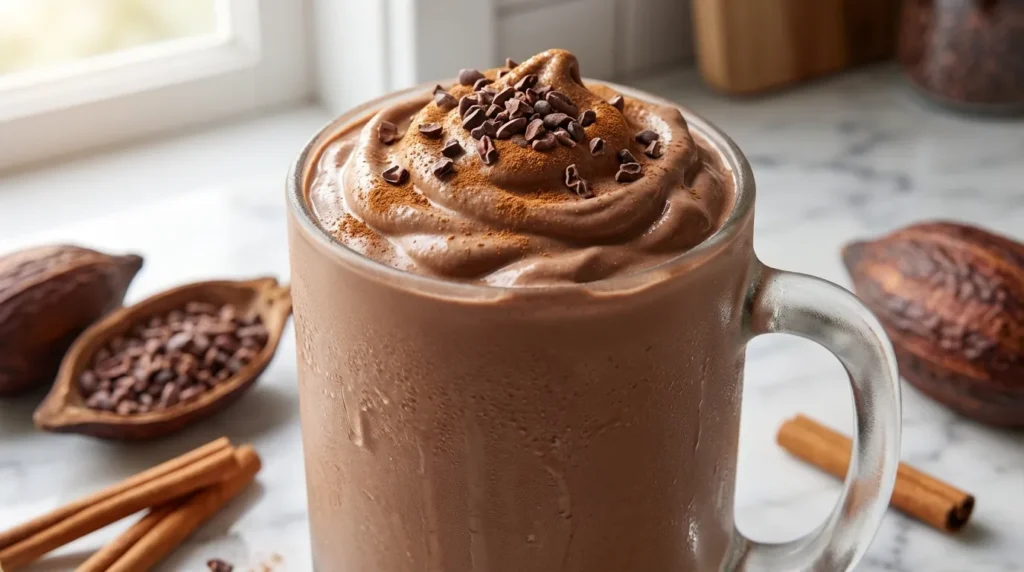
Start the blender on the lowest speed. As the ingredients begin to break down, slowly increase the speed to high. Blend for 45 to 60 seconds. You want to incorporate air into the mixture, which fluffs up the whey protein and creates that velvety volume.
Visual Cue:* You know it’s done when the sound of the blender changes from a loud crunching to a smooth, consistent hum, and you see a “folding” motion at the top of the vortex.
Expert Tips for Perfect Results
I have made thousands of shakes, and these are the professional adjustments that take protein shake recipes from average to outstanding.
1. The “Frozen Cube” Trick
Instead of using regular water ice cubes, which dilute the flavor as they melt, freeze an ice tray full of almond milk or coffee. Using coffee cubes creates an incredible mocha flavor profile and keeps the shake rich until the very last sip.
2. Watch the Heat
High-speed blenders generate friction heat. If you blend for too long (over 90 seconds), your cold shake will start to turn lukewarm and the texture will break. If you need to blend longer to crush ice, stop halfway and scrape down the sides.
3. The Sweetness Balance
Protein powders vary wildly in sweetness. Always taste your shake before pouring it out. If it’s too sweet, a squeeze of lemon juice or a pinch of salt can neutralize it. If it’s too bland, a few drops of liquid Stevia or a teaspoon of maple syrup can save the day.
4. Glassware Matters
It might sound silly, but serving this protein milkshake recipe in a chilled glass makes a huge difference. I keep a few heavy glass mugs in my freezer. Pouring the shake into a frosted glass keeps the consistency thick for twice as long.
Storage & Reheating
Let’s be honest: a protein milkshake recipe is best enjoyed immediately. The aeration from the blender begins to collapse after about 15 minutes, and the texture can change.
- Fridge: If you must store it, you can keep it in the refrigerator for up to 24 hours. Shake it vigorously before drinking, as separation is natural.
- Freezer: You can freeze this mixture into popsicle molds for a high-protein ice cream treat!
- Re-blending: If you made it ahead of time and the texture has separated, pour it back into the blender with two ice cubes and pulse for 10 seconds to revive the creamy texture.
Serving Suggestions
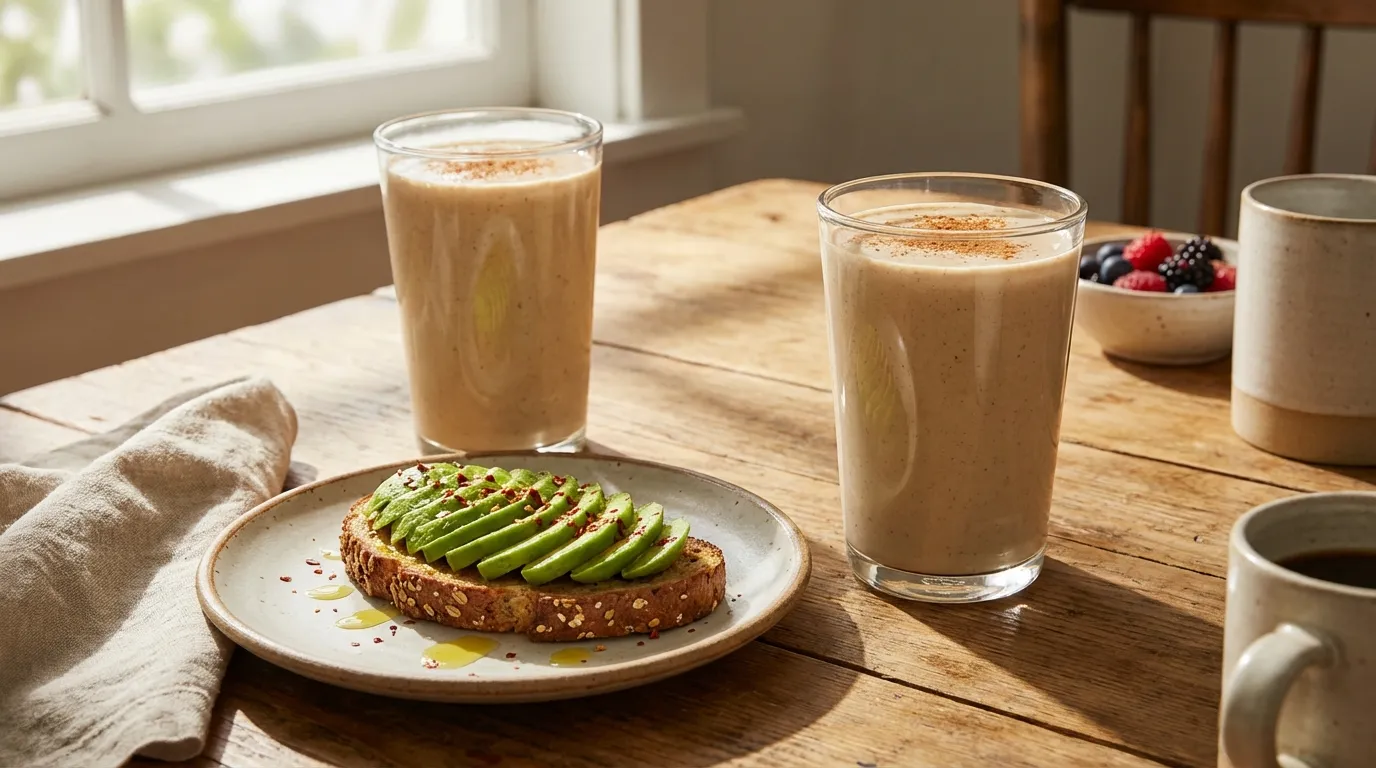
While this shake is a meal in itself, sometimes you want to turn it into a full culinary experience.
- Toppings: Top with a dollop of Greek yogurt, cacao nibs, or a dusting of cinnamon.
- Pairings: This shake pairs beautifully with a light, crunchier texture. If you are looking for more ways to satisfy your cravings without breaking your diet, check out my guide to high-protein desserts which includes cookies and brownies that would go perfectly with this shake.
- Breakfast: Serve alongside a slice of sprouted grain toast with avocado for a balanced mix of fats, carbs, and proteins.
Conclusion
Mastering this protein milkshake recipe will change the way you view your daily nutrition. It proves that you do not have to sacrifice flavor or texture to fuel your body correctly. By using the right thickening agents and the correct blending method, you can turn a standard supplement into a highlight of your day.
The next time you are craving a fast-food shake, take five minutes to whip this up instead. Your body (and your tastebuds) will thank you. Did you try the frozen zucchini hack? Let me know in the comments below!
Common Questions About Protein Milkshake Recipe
Can I make this protein milkshake recipe without protein powder?
Yes, you can. To keep the protein content high without powder, substitute the liquid base with Greek yogurt or cottage cheese, and add hemp seeds or nut butter. However, the texture will be slightly different than the fluffy consistency whey provides.
Why is my protein shake runny?
This usually happens for two reasons: too much liquid or not enough frozen ingredients. Always start with less liquid than you think you need. Also, ensure your fruit is fully frozen, not just chilled. If it is still runny, add a handful of ice or 1/4 teaspoon of xanthan gum to your protein milkshake recipe.
Is it okay to drink a protein milkshake every day?
For most healthy adults, yes. A protein milkshake recipe is a convenient way to hit your daily protein targets. However, it should supplement a diet rich in whole foods, not replace every meal. Variety is key to gut health.
Can I use this recipe for weight gain?
Absolutely. To turn this into a “gainer” shake, simply increase the calorie density. Add oats, full-fat milk, heavy cream, more nut butter, or even a scoop of vanilla ice cream. This base is one of the best protein shake recipes for customization because it handles heavy ingredients well.
What is the best blender for protein shakes?
While a high-speed blender (like a Vitamix or Ninja) yields the smoothest, “commercial” texture, you can absolutely make this protein milkshake recipe in a standard kitchen blender. If using a weaker blender, just be sure to chop your frozen fruit into smaller chunks before blending to avoid jamming the blades.