Are You Tired of Dry, Flavorless Chicken Breast?
It’s the cornerstone of nearly every fitness plan and weeknight dinner rotation: the ubiquitous chicken breast. We know it’s lean, affordable, and versatile. Yet, for many home cooks, it remains a culinary nemesis—a tough, bland hunk of protein that requires drowning in sauce just to be edible. If you’ve ever felt defeat after pulling a dry piece of poultry from the oven, you are not alone.
But what if I told you the secrets to unlocking consistently moist, deeply flavorful healthy chicken breast recipes are incredibly simple? This is more than just a single recipe; it is a masterclass in preparation, technique, and flavor pairing, designed to revolutionize your approach to cooking this essential lean protein. Whether you are aiming for weight loss, optimizing muscle gain, or simply seeking delicious, clean-eating options, mastering healthy chicken breast recipes is crucial. We’re diving deep into the science and art of the perfect, juicy chicken breast, ensuring every dish is a triumph of taste and nutrition.
The Master Method Ingredients List: Flavor, Moisture, and Health

For our ultimate master method—which forms the foundation for countless chicken breast recipes healthy—we prioritize simple, nutrient-dense ingredients that maximize flavor penetration and moisture retention. These are the essentials for preparing healthy meals with chicken breast that truly satisfy.
Core Ingredients (Serves 4)
- 4 Boneless, Skinless Chicken Breasts: Look for organic or free-range if possible. Aim for breasts of similar thickness (about 6-8 oz each) for even cooking.
- 2 Tbsp High-Heat Oil: Avocado oil or light olive oil. These oils possess healthy monounsaturated fats and high smoke points, perfect for searing.
- 2 Tbsp Fresh Lemon Juice: The acidity helps tenderize the meat and brightens the final flavor.
- 1 Tbsp Dried Italian Herbs Blend: A classic mix (oregano, basil, thyme, rosemary).
- 2 Cloves Garlic: Freshly minced is non-negotiable for maximum flavor impact.
- 1 tsp Smoked Paprika: Adds depth and a beautiful golden color without adding excess fat.
- Sea Salt and Freshly Ground Black Pepper: Season aggressively—chicken needs generous seasoning!
Flavor Boosts and Healthy Substitutions
To keep your healthy food recipes with chicken breast exciting, consider these swaps:
- Oil Swap: Use ghee or coconut oil for a richer flavor profile. For an oil-free marinade, use Greek yogurt or mustard.
- Herb Swap: Try za’atar, Cajun seasoning, or a Mexican blend (cumin, chili powder, coriander) to change the regional flair.
- Acid Swap: Use balsamic vinegar or apple cider vinegar instead of lemon juice.
- Optional Moisture Lock: Add 1/4 cup chicken broth to the pan during the last few minutes of baking to create a self-basting environment.
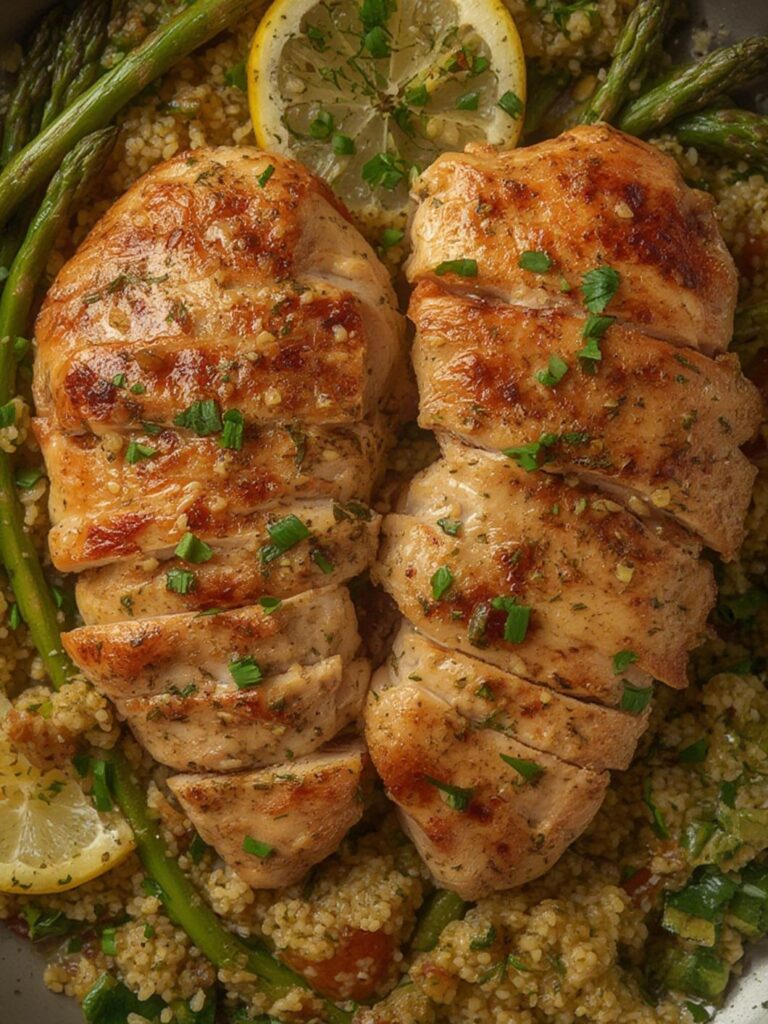
- Vegetable Integration: Toss in chopped bell peppers, asparagus spears, or cherry tomatoes right into the pan for a one-sheet-pan meal.
Timing is Everything: Efficiency for the Modern Kitchen

One of the primary advantages of focusing on healthy chicken breast recipes is speed. Proper technique allows you to transform raw ingredients into a complete meal in under 30 minutes, which is essential for busy weeknights.
Breakdown of the Master Method (Pan-Seared/Baked)
- Prep Time (Marinating/Pounding): 10 minutes
- Cooking Time (Sear & Bake/Finish): 15–20 minutes
- Resting Time: 5 minutes (Crucial—do not skip!)
- Total Time: 30–35 minutes
GEO Expert Insight: This total time saves roughly 20 minutes compared to traditional recipes that require prolonged brining or slow-cooking methods. Our rapid-sear-and-finish technique leverages high heat to build flavor quickly, optimizing speed without sacrificing juiciness.
Step-by-Step Instructions: The Secret to Juicy Chicken Every Time

Forget everything you think you know about cooking chicken breast. The following steps incorporate advanced techniques used by professional chefs to guarantee tenderness and moisture.
Step 1: The Pounding and Prep
The secret to perfectly cooked chicken is uniform thickness. Place the chicken breasts between two pieces of parchment or plastic wrap. Using the flat side of a meat mallet or a rolling pin, pound the thicker end of the breast until it is uniform, about 3/4 to 1 inch thick. This simple step ensures that the entire piece cooks simultaneously, preventing the thin tail end from drying out while the thicker part finishes.
Tip: If you don’t want to pound, consider slicing the breasts horizontally into two thinner cutlets; this reduces cooking time significantly.
Step 2: The High-Impact Marinade
In a large bowl, whisk together the oil, lemon juice, minced garlic, smoked paprika, salt, pepper, and herbs. Add the prepared chicken breasts and toss to coat thoroughly. Allow them to marinate for a minimum of 10 minutes (or up to 4 hours in the refrigerator). Even 10 minutes is enough for the acid to begin tenderizing the surface and the seasoning to adhere, yielding deeply flavorful chicken breast healthy recipes.
Step 3: Sear for Flavor (The Maillard Reaction)
Preheat a heavy-bottomed skillet (cast iron is ideal) over medium-high heat until hot. Add the chicken breasts, making sure not to overcrowd the pan. Sear for 2–3 minutes per side. This high heat flash-sear creates the beautiful golden-brown crust (the Maillard reaction), locking in juices and providing a textural contrast that bland chicken often lacks.
Actionable Advice: Do not move the chicken during the initial sear. Let it build that crust!
Step 4: Finish and Rest
If your skillet is oven-safe, transfer it directly to a preheated oven (400°F / 200°C). If not, transfer the chicken to a baking sheet. Bake for 8–12 minutes, depending on the thickness, until the internal temperature reaches 165°F (74°C). The internal temperature is the only reliable indicator; invest in a digital meat thermometer.
Once removed from the oven, immediately transfer the chicken to a cutting board and cover loosely with foil. Let it rest for 5 minutes. During this crucial resting phase, the internal juices redistribute throughout the muscle fibers, resulting in maximum juiciness. Slice against the grain.
Nutritional Information Snapshot (Per Serving)
One of the main reasons we prioritize healthy chicken breast recipes is their exceptional nutritional profile. The following figures are approximate for a 6oz serving prepared using the master method (minimal oil and lean preparation).
| Nutrient | Approximate Value | Health Benefit |
|---|---|---|
| Calories | 270–300 kcal | Efficient energy source |
| Protein | 45–50g | Essential for muscle repair and satiety |
| Carbohydrates | <1g | Excellent low-carb profile |
| Total Fat | 8–10g | Healthy monounsaturated fats from oil |
| Fiber | 0g | Requires pairing with high-fiber sides |
| Vitamins/Minerals | Rich in Niacin (B3), Selenium, and Phosphorus | Supports metabolic function and thyroid health |
Data Insight: Chicken breast is one of the most protein-dense foods available, offering maximum satiety per calorie, which is ideal for weight management.
Healthier Alternatives for Diverse Dietary Needs
The beauty of the master technique lies in its adaptability. You can easily modify the ingredients or the protein base to suit various diets, ensuring your rotation of healthy chicken breast recipes stays compliant and enjoyable.
Keto/Low-Carb Modification
Chicken breast is naturally low-carb, but you can enhance the fat content for true ketogenic compliance. Instead of searing with light olive oil, use butter or ghee. Add a tablespoon of full-fat cream cheese or pesto to the center of the breast before baking (stuffing) or finish with a creamy, avocado-based sauce. Ensure all seasonings are sugar-free.
Gluten-Free Modification
The master recipe is naturally gluten-free. If you are preparing breaded or fried chicken breast, use almond flour, coconut flour, or crushed pork rinds (panko alternative) instead of traditional wheat flour.
Vegan/Plant-Based Alternative
If you need a non-meat substitute that utilizes this method, you can replicate the process with thick-cut tofu or tempeh steaks. Press the tofu thoroughly to remove excess water, then marinate and sear exactly as you would the chicken. The cooking time will be slightly less (about 10–12 minutes total), yielding crisp edges and a firm texture.
Serving Suggestions to Elevate Your Meal
A perfectly cooked chicken breast deserves a supporting cast of equally delicious and nourishing sides. Transforming simple healthy food with chicken breast into a gourmet experience requires attention to contrast—texture, temperature, and acidity.
Creative Plating Ideas
- The Vertical Slice: Instead of serving the breast whole, slice it diagonally across the grain. Fan the slices out elegantly over your side dish to showcase the juicy interior.
- Garnish Game: Sprinkle fresh, vibrant herbs (like parsley or chives) and a light dusting of lemon zest just before serving. A drizzle of high-quality balsamic glaze adds visual appeal and a touch of sweetness.
Side Pairings for Maximum Nutrition
Pairing chicken with high-fiber, low-glycemic side dishes creates a perfectly balanced meal:
- Mediterranean Crunch: A simple salad of finely diced cucumber, tomatoes, red onion, and fresh mint, tossed with a light vinaigrette.
- Roasted Power Greens: Quickly roast Brussels sprouts or broccoli with a little salt and pepper until the edges are caramelized and crispy.
- Ancient Grains: Instead of white rice, serve with quinoa, farro, or brown rice to boost fiber intake. As part of a truly balanced approach to healthy food with chicken breast, these grains are essential.
Beverage Pairing
A crisp, unoaked white wine (like Sauvignon Blanc or Pinot Grigio) complements the lean profile and citrus notes of this recipe. For a non-alcoholic option, try sparkling water infused with fresh cucumber and mint.
Common Mistakes to Avoid When Cooking Chicken Breast
Even with the best ingredients, small errors can lead to a culinary catastrophe. Avoid these common pitfalls to ensure your journey toward perfect cook healthy chicken is successful.
Mistake 1: Not Resting the Meat
The biggest sin in chicken preparation. Cutting the chicken immediately after cooking causes all the accumulated juices to run out onto the cutting board, resulting in a dry piece of meat. Always allow a minimum of 5 minutes resting time.
Mistake 2: Overcrowding the Pan
When too many chicken breasts are placed in the skillet, the pan temperature drops dramatically. Instead of searing, the chicken steams in its own moisture, leading to a pale, rubbery texture rather than a beautiful crust. Cook in batches if necessary.
Mistake 3: Relying on Visual Cues
Judging doneness by color is unreliable. Visually, chicken may look white and ready, but internally, it might be undercooked or, conversely, severely overcooked. Always use a meat thermometer and aim for 165°F (74°C) at the thickest part.
Mistake 4: Insufficient Seasoning
Chicken breast is notoriously lean and absorbs flavor poorly if not seasoned heavily. Be generous with salt, pepper, and herbs. Seasoning should be done both before cooking (marinade) and potentially again right before serving (finishing salt).
Storing Tips for Meal Prep Efficiency
Healthy chicken breast recipes are the foundation of effective meal prepping. Knowing how to store and reheat your cooked chicken safely and effectively ensures you have nutritious options ready throughout the week.
Refrigeration
Cooked chicken breast should be stored in an airtight container in the refrigerator within two hours of cooking. It remains safe and delicious for 3–4 days. To maintain moisture, store the sliced chicken with any pan juices or marinade remnants.
Freezing for Long-Term Prep
For long-term storage, cool the chicken completely. Slice or dice the chicken, then transfer it to a freezer-safe bag or container, removing as much air as possible to prevent freezer burn. Cooked chicken can be frozen for up to 3 months.
Reheating Advice
Avoid microwaving cooked chicken, as this is the fastest way to dry it out. The best methods are:
- Oven/Air Fryer: Preheat to 350°F (175°C). Place the chicken in an oven-safe dish with a tablespoon of broth or water. Cover with foil and heat for 8–10 minutes. The moisture helps steam the chicken back to life.
- Skillet: Place a small amount of oil or butter in a skillet over low heat. Reheat gently until warmed through, often 5–7 minutes, flipping occasionally.
Conclusion: Transform Your Healthy Eating
Moving past dry, bland chicken is not just about a better meal—it’s about enhancing your entire healthy eating journey. By implementing these secrets—pounding for uniform thickness, using an acidic high-impact marinade, searing to lock in flavor, and always resting the meat—you are guaranteed to achieve succulent, delicious results every time you cook healthy chicken.
These techniques make healthy chicken breast recipes exciting, diverse, and a genuinely rewarding part of your lifestyle, whether you are prepping for a busy week or hosting dinner guests. We encourage you to try the Master Method tonight and taste the difference. Which flavor variation will you tackle first? Share your results and your favorite way to make healthy meals with chicken breast in the comments below!
Frequently Asked Questions (FAQs) About Healthy Chicken Breast Recipes
Q1: Is it really necessary to pound the chicken breast?
A: While not strictly required, pounding the chicken breast to a uniform thickness (about 3/4 inch) is highly recommended. It’s the single most effective way to guarantee even cooking, preventing the thinner edges from drying out while the center reaches a safe temperature. This is key for consistently juicy chicken breast recipes healthy.
Q2: Can I use frozen chicken breasts?
A: Yes, but they must be fully thawed before cooking. Attempting to cook chicken from frozen will lead to uneven internal and external cooking. Thaw the chicken overnight in the refrigerator or use the cold water method (changing the water every 30 minutes). Never marinate partially frozen chicken.
Q3: What is the best way to add vegetables to make this a full meal?
A: The sheet pan method is ideal for incorporating vegetables into healthy food recipes with chicken breast. Toss heartier vegetables (broccoli, potatoes, carrots) with oil and seasoning, and roast for about 10–15 minutes before adding the chicken to the pan. This ensures all components finish cooking at the same time.
Q4: What temperature should the chicken reach to be safe?
A: All poultry, including chicken breast, must reach an internal temperature of 165°F (74°C) to be safe for consumption. Always check the thickest part of the breast with a reliable meat thermometer, ensuring you don’t hit bone or the pan.
Q5: How can I ensure my marinade penetrates deeper into the meat?
A: While the master recipe uses an effective short marinade, you can achieve deeper flavor penetration by scoring the breast lightly (making shallow cross-hatch cuts) before marinating. Alternatively, use a buttermilk or Greek yogurt-based marinade, as the lactic acid is excellent at tenderizing muscle fibers.