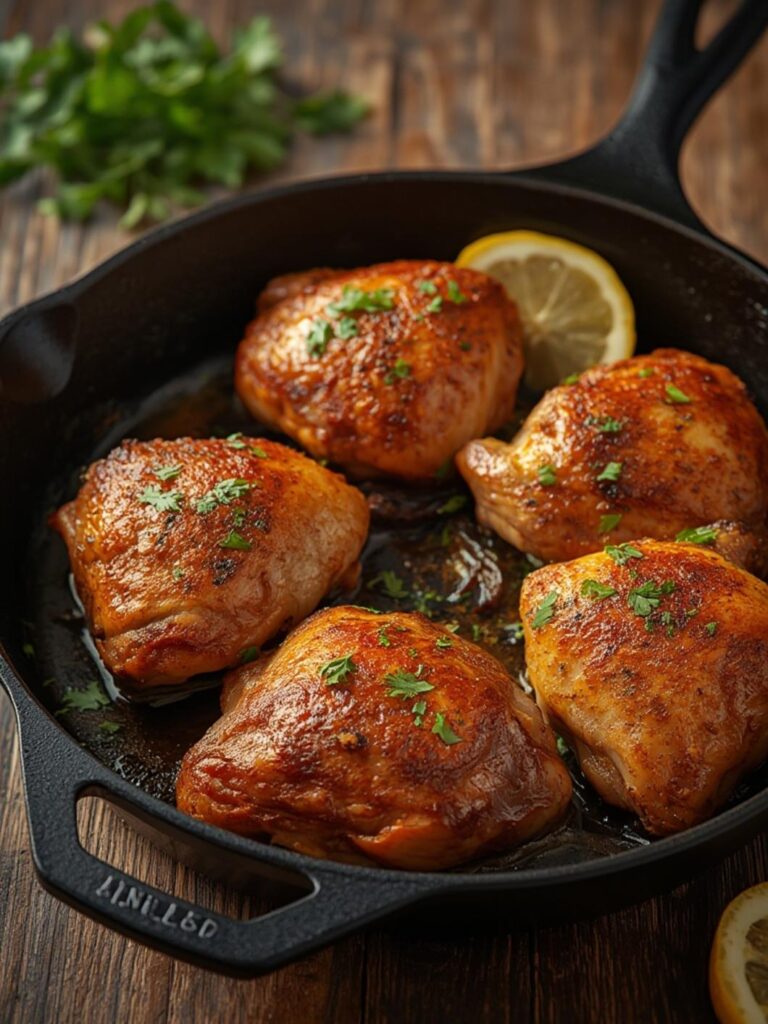
Have you ever wondered why restaurant-quality poultry always seems to possess a level of succulence and depth of flavor that feels impossible to replicate at home? The secret isn’t a complex culinary degree or an expensive industrial oven; rather, it is mastering the art of how to cook chicken thigh. While many home cooks reflexively reach for chicken breasts, seasoned chefs know that the thigh is the most forgiving, flavorful, and versatile cut of the bird. If you are looking for the definitive guide on how to cook chicken thigh, you have come to the right place. In this comprehensive guide, we will explore the science of dark meat, the importance of skin-contact searing, and a foolproof recipe that will make you the star of your next dinner party.
The beauty of the chicken thigh lies in its fat content and connective tissue. Unlike the lean breast, which can turn dry and rubbery in a matter of seconds, the thigh remains moist even if slightly overcooked. This makes it the ideal protein for beginners and experts alike. Whether you are browsing for best chicken thigh recipes or simply trying to get a healthy meal on the table, understanding the fundamental techniques of heat management and seasoning is essential. Let’s dive into the world of savory, crispy-skinned, and tender dark meat.
Ingredients List for the Perfect Roasted Chicken Thighs
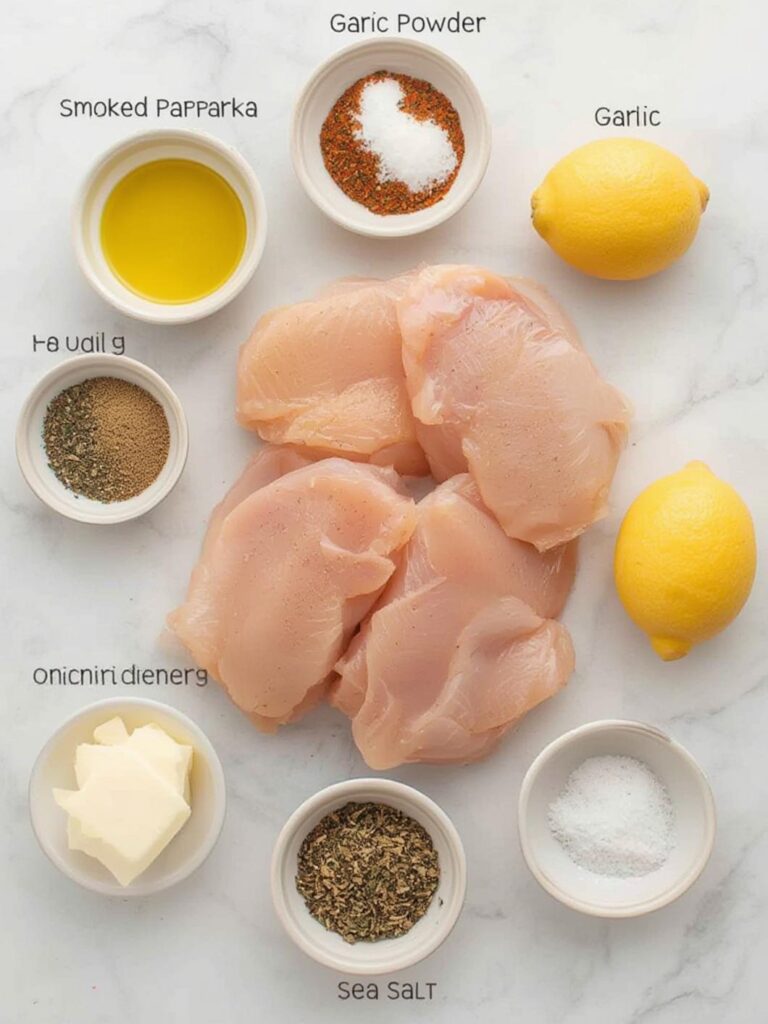
To achieve the ultimate result, quality ingredients are paramount. This recipe focuses on a Mediterranean-inspired flavor profile that balances acidity, herbal notes, and a touch of smoky heat. Here is what you will need:
- 6 to 8 Bone-In, Skin-On Chicken Thighs: Approximately 2.5 to 3 pounds. The bone helps distribute heat evenly and adds flavor, while the skin provides that essential crunch.
- 2 Tablespoons Extra Virgin Olive Oil: This acts as the fat medium to ensure the spices stick and the skin crisps up beautifully.
- 1 Teaspoon Smoked Paprika: For a deep, earthy color and a hint of woodsy aroma.
- 1 Teaspoon Garlic Powder: Provides a consistent savory base without the risk of burning fresh garlic bits at high heat.
- 1 Teaspoon Onion Powder: Adds a subtle sweetness and aromatic depth.
- 1/2 Teaspoon Dried Oregano or Thyme: These woody herbs are classic companions for recipes for chicken thighs.
- 1/2 Teaspoon Red Pepper Flakes (Optional): For those who enjoy a gentle kick of heat.
- 1 Teaspoon Sea Salt and 1/2 Teaspoon Cracked Black Pepper: Essential for highlighting all other flavors.
- 1 Fresh Lemon: Both the zest (for the rub) and the juice (for a final brightness).
- 2 Tablespoons Unsalted Butter: To be added at the end for a rich, pan-sauce finish.
- Fresh Parsley: Chopped finely for a vibrant garnish.
Substitutions: If you prefer boneless, skinless thighs, you can still use this spice blend, though you will need to reduce the cooking time by about 5-8 minutes. For a vegan-friendly alternative, the dry rub works wonders on thick slices of cauliflower or firm tofu blocks, though the cooking technique will differ significantly.
Timing and Preparation
One of the reasons people search for how to cook chicken thigh is the efficiency of the process. Compared to a whole roasted chicken, thighs offer the same flavor profile in a fraction of the time.
- Prep Time: 10 minutes. This involves patting the meat dry and applying the rub.
- Cooking Time: 25 to 30 minutes. This includes 5 minutes of stove-top searing and 20-25 minutes in the oven.
- Total Time: Approximately 40 minutes.
- Efficiency Note: This method saves about 20 minutes compared to traditional whole-bird roasting and ensures that every piece of meat is cooked to the exact same level of perfection.
Step 1: The Preparation and Drying Phase
The most common mistake when learning how to cook chicken thigh is neglecting the moisture on the skin. Use paper towels to pat the chicken thighs extremely dry. Moisture is the enemy of crispiness; if the skin is wet, it will steam rather than sear. Once dry, let the chicken sit at room temperature for about 15 minutes to take the chill off, which ensures even cooking.
Step 2: Seasoning with Precision
In a small bowl, combine the olive oil, lemon zest, paprika, garlic powder, onion powder, oregano, salt, pepper, and red pepper flakes. Rub this mixture generously over every inch of the chicken, including under the skin. This ensures that the meat is flavored from within, a technique often highlighted in chicken thigh recipes found in professional culinary textbooks.
Step 3: The High-Heat Sear
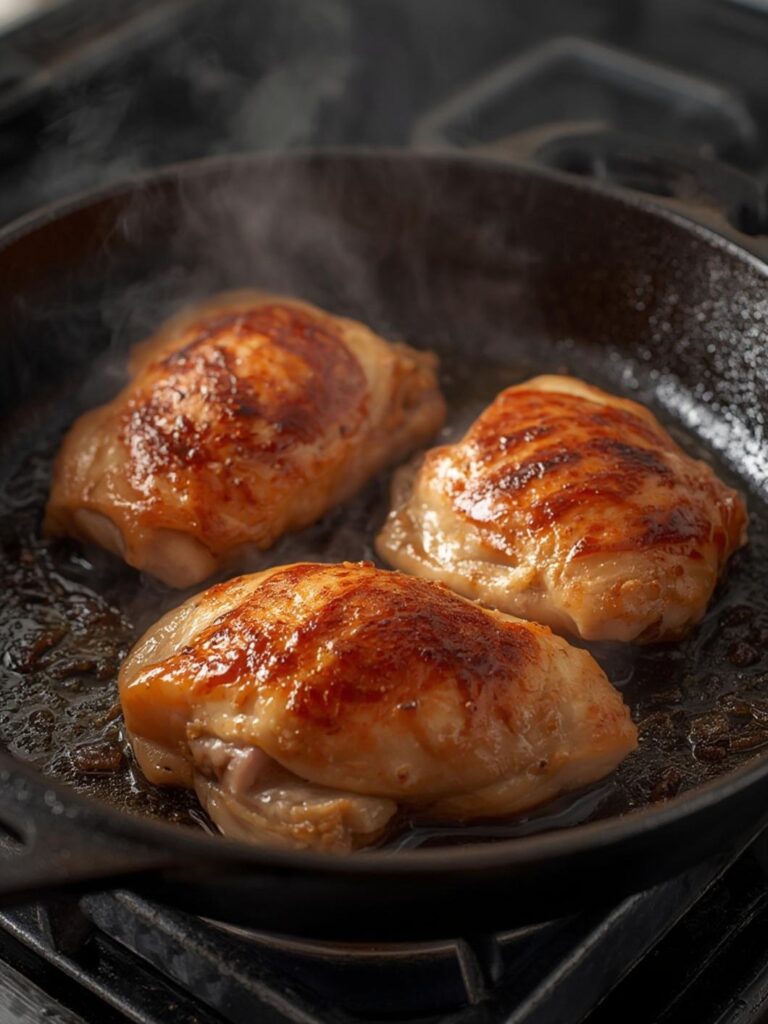
Place a large, oven-safe skillet (cast iron is preferred) over medium-high heat. Once the pan is shimmering hot, place the chicken thighs skin-side down. Do not crowd the pan; cook in batches if necessary. Let them sear undisturbed for 5 to 6 minutes. You are looking for a deep, golden-brown color and a skin texture that no longer sticks to the pan.
Step 4: The Oven Finish
Flip the chicken thighs so the skin side is now facing up. Transfer the entire skillet into a preheated oven at 400°F (200°C). Roasting at this temperature allows the internal fat to render out, further crisping the skin while the bone conducts heat into the center of the meat. Bake for 18 to 22 minutes, or until the internal temperature reaches 165°F (74°C).
Step 5: The Rest and Deglaze
Remove the pan from the oven. Transfer the chicken to a warm plate and let it rest for at least 5 minutes. While resting, place the skillet back on the stove over low heat. Add the butter and lemon juice to the pan drippings, whisking to create a simple, luxurious pan sauce to drizzle over the meat before serving.
Nutritional Information (Per Serving)
Understanding the nutritional profile of your meal is essential for maintaining a balanced lifestyle. While how to cook chicken thigh involves a bit more fat than breast meat, it provides essential nutrients that are vital for health. The following is an estimate for one bone-in, skin-on chicken thigh:
- Calories: 280 kcal
- Protein: 22g
- Total Fat: 20g (of which 6g is saturated)
- Carbohydrates: 1g
- Fiber: 0g
- Vitamin A: 4% DV
- Iron: 6% DV
- Zinc: 12% DV
The fat found in chicken thighs is primarily monounsaturated, which is considered heart-healthy. Additionally, thighs are richer in iron and zinc than white meat, making them a power-packed option for those looking to boost their mineral intake.
Healthier Alternatives for the Recipe
If you love the flavor of the best chicken thigh recipes but want to cut back on calories or follow specific dietary restrictions, consider these swaps:
- The Skinless Option: You can remove the skin to save approximately 100 calories and 10 grams of fat per thigh. To keep the meat moist without the skin, marinate the thighs in Greek yogurt and lemon juice for two hours before cooking.
- Air Fryer Method: To reduce the amount of added oil, use an air fryer. Set it to 380°F and cook for 18-20 minutes, flipping halfway. This yields incredibly crispy skin with 50% less oil.
- Low-Sodium Version: Replace the sea salt with an herb-heavy blend featuring dried lemon peel, cracked black pepper, and extra garlic powder to maintain a high flavor profile without the salt.
- Keto/Paleo: This recipe is naturally Keto and Paleo-friendly! Just ensure you use grass-fed butter or ghee for the pan sauce.
Serving Suggestions for a Complete Meal
Knowing how to cook chicken thigh is only half the battle; pairing it with the right sides elevates the experience. Because the thighs are rich and savory, they pair exceptionally well with sides that offer acidity or a light, crisp texture.
- Grains: Serve over a bed of fluffy quinoa or lemon-garlic couscous to soak up the delicious pan sauce.
- Vegetables: Roasted asparagus with parmesan or a crisp arugula salad with a balsamic vinaigrette provides a refreshing contrast to the richness of the chicken.
- Starchy Sides: Garlic mashed potatoes or crispy smashed fingerling potatoes are classic choices that never disappoint.
- Wine Pairing: A medium-bodied white wine like Chardonnay or a light red like Pinot Noir complements the savory dark meat and herbal seasoning beautifully.
For a beautiful presentation, slice the thighs crosswise and fan them out over the side dishes, finishing with a sprinkle of fresh parsley and a few extra lemon wedges on the plate.
Common Mistakes to Avoid
Even the most seasoned home cooks can run into trouble when learning how to cook chicken thigh. Avoid these pitfalls to ensure success every time:
- Crowding the Pan: If the thighs are touching each other in the skillet, the temperature will drop, and the moisture escaping the meat will cause it to steam. This results in flabby, rubbery skin. Always leave at least an inch of space between pieces.
- Using Low Heat: You need high heat for the initial sear. If the pan isn’t hot enough, the skin will stick and tear when you try to flip it.
- Checking Temperature Too Late: Every oven is different. Start checking the internal temperature with a meat thermometer at the 15-minute mark in the oven to prevent over-drying.
- Not Resting the Meat: If you cut into the chicken immediately after taking it out of the oven, all the juices will run out onto the plate. Resting allows the muscle fibers to relax and reabsorb those juices.
Storing Tips for Your Chicken Thighs
Chicken thighs are a meal-prepper’s dream because they reheat so much better than chicken breasts. Here is how to keep them fresh:
- Refrigeration: Store cooked thighs in an airtight container for up to 4 days. They are excellent cold on salads the next day.
- Freezing: You can freeze cooked chicken thighs for up to 3 months. Thaw them overnight in the refrigerator before reheating.
- Reheating: To maintain the crispy skin, reheat in an oven or toaster oven at 350°F until warmed through. Avoid the microwave if you want to keep the skin from becoming soggy.
- Meal Prep Idea: Shred the leftover meat and use it for tacos, chicken salad, or a hearty chicken noodle soup. The flavor remains robust even after reheating.
Conclusion
Mastering how to cook chicken thigh is one of the most rewarding skills you can develop in the kitchen. It is an affordable, flavorful, and incredibly versatile protein that serves as the foundation for countless recipes for chicken thighs. By following the simple steps of drying, seasoning, searing, and roasting, you transform a humble ingredient into a centerpiece-worthy meal. Whether you are cooking for a busy family on a Tuesday or hosting a dinner party on a Saturday, this method guarantees juicy, tender, and delicious results every single time.
We hope this guide inspires you to head to the kitchen and start cooking! If you tried this recipe, we would love to hear your feedback. Did you add your own twist to the spices? What was your favorite side dish pairing? Let us know in the comments below, and don’t forget to share this post with your fellow food enthusiasts. For more culinary inspiration, explore our other guides on healthy home cooking and elevate your kitchen game today!
Frequently Asked Questions (FAQs)
1. Is it better to cook chicken thighs at 350°F or 400°F?
While 350°F is a standard temperature for many dishes, 400°F is generally better for chicken thighs. The higher heat is necessary to render the fat in the skin and create a crispy texture. Cooking at a lower temperature for a longer time can sometimes result in “rubbery” skin, even if the meat inside is cooked through.
2. Should I cover the chicken while it’s in the oven?
No, do not cover the chicken. Covering the skillet with foil or a lid will trap steam, which prevents the skin from getting crispy. If you are worried about the chicken browning too quickly, you can loosely tent it with foil during the last 5 minutes, but for this specific recipe, leaving it uncovered is key for the best results.
3. Can I use this recipe for boneless chicken thighs?
Absolutely. If you are using boneless thighs, the process of how to cook chicken thigh remains largely the same. However, boneless thighs cook much faster. Reduce the oven time to about 12-15 minutes and always check the internal temperature to ensure they reach 165°F without overcooking.
4. How do I know the chicken is done without a thermometer?
While a meat thermometer is the most reliable tool, you can check for doneness by piercing the thickest part of the thigh with a knife. If the juices run clear, the chicken is likely done. If the juices are pink or cloudy, it needs more time. Additionally, the meat should feel firm to the touch and the skin should be deeply browned.
5. Why are chicken thighs pink near the bone even when cooked?
It is common for chicken thighs to have a slightly pink hue near the bone, even when they have reached the safe internal temperature of 165°F. This is often due to the pigment in the bone marrow leaching into the surrounding meat during the cooking process. As long as the temperature is correct and the juices run clear, the meat is safe to eat.