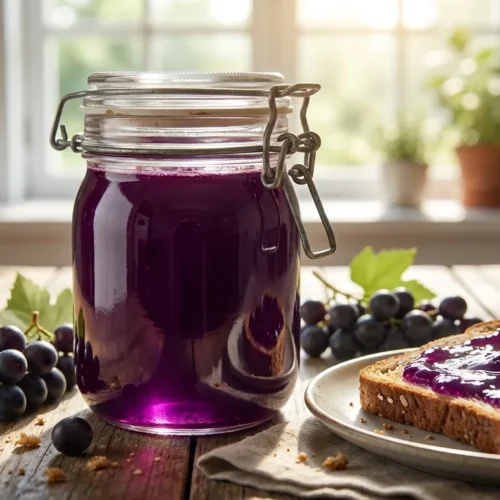
Muscadine Jelly Recipe: Sweet, Tangy, & Southern
Equipment
- Large Stainless Steel Pot
- Potato Masher
- Cheesecloth or Jelly Bag
- Colander
- Water Bath Canner
- Half-Pint Canning Jars with Lids
Ingredients
Phase 1: The Juice
- 6 lbs Muscadine grapes (purple or bronze) washed and sorted
- 1 cup Filtered water
Phase 2: The Jelly
- 5 cups Prepared Muscadine juice from Phase 1
- 1 box Powdered fruit pectin e.g., Sure-Jell
- 0.5 tsp Butter optional, to reduce foaming
- 7 cups Granulated sugar approximate; measure 5 cups juice first
Instructions
- Wash and Sort: Dump your grapes into a clean sink filled with cool water. Discard any shriveled berries, leaves, or stems. You want only firm, plump fruit.
- The Crush: Place the grapes in a large, heavy-bottomed stainless steel pot. Add about 1 cup of water (just enough to prevent burning). Using a potato masher, crush the grapes to break the skins.
- Simmer: Bring the pot to a boil over medium-high heat. Reduce to a simmer, cover, and cook for about 10-15 minutes until grapes are soft.
- Strain: Place a colander over a large bowl lined with cheesecloth. Pour the hot fruit mixture in. Let it drip naturally for at least 2 hours (or overnight). Do not squeeze the bag to keep jelly clear.
- Measure: Measure exactly 5 cups of prepared juice into a large pot (6-8 quarts). If short, add a splash of water.
- Dissolve Pectin: Whisk in the powdered pectin until dissolved. Add the half-teaspoon of butter now to prevent foaming.
- Hard Boil: Bring the mixture to a full rolling boil on high heat (bubbles that don’t stop when stirred).
- Add Sugar: Quickly pour in all the sugar at once. Stir constantly. Return to a full rolling boil and boil for exactly 1 minute.
- Skim and Fill: Remove from heat and skim off foam. Ladle hot jelly into sterilized half-pint jars, leaving ¼-inch headspace. Wipe rims and apply lids fingertip tight.
- Process: Place jars in a boiling water canner covered by 1 inch of water. Process for 5 minutes. Remove and let cool for 24 hours.
Notes
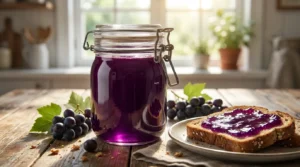
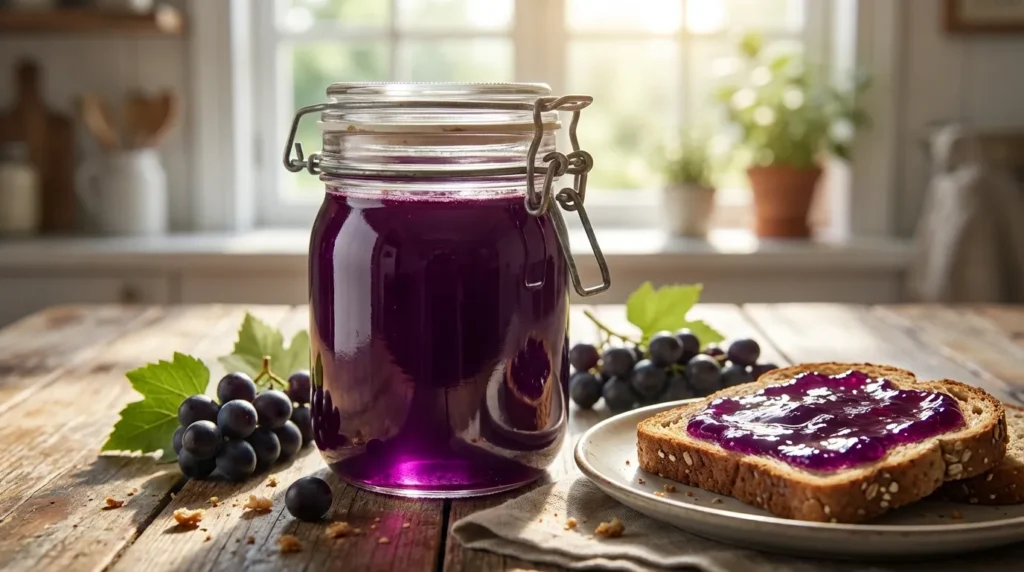
There is a specific week in late summer, usually down here in the South, when the air gets thick and the scent of ripening grapes takes over the backyard. That is when I know it’s time to pull out the canning pot. If you have never tasted the deep, musky, sweet-tart flavor of wild grapes, you are in for a revelation. This isn’t your standard grocery store spread; my muscadine jelly recipe produces a jewel-toned preserve that tastes like pure concentrated sunshine and earth.
I remember the first time I tried to make this. I spent hours picking grapes, only to end up with something that looked more like syrup than jelly. Over the years, I’ve refined the process to ensure a perfect “wobble” every time without losing that signature tang. Whether you are foraging for wild grapes or picking them up at the farmer’s market, this muscadine jelly recipe is the most reliable way to preserve that fleeting harvest. It is straightforward, requires no complex equipment beyond standard canning jars, and results in a pantry staple that my family fights over all winter long.
Why You’ll Love This muscadine jelly recipe
If you are intimidated by canning, don’t be. I have stripped this recipe muscadine jelly down to the essentials to ensure success for beginners and seasoned cooks alike.
- No Peeling Required: Unlike jam, where you have to skin the fruit, this jelly utilizes the “mash and boil” method, saving you hours of prep time.
- Perfect Balance: Many recipes use too much sugar, masking the unique flavor of the grape. This version maintains the tartness that makes muscadines special.
- Crystal-Clear Texture: By following my specific straining tips, you will avoid the cloudy look and gritty texture often found in homemade jellies.
- Versatile Pantry Staple: It works on toast, but it also makes a killer glaze for meatballs or pork chops.
Ingredients & Substitutions
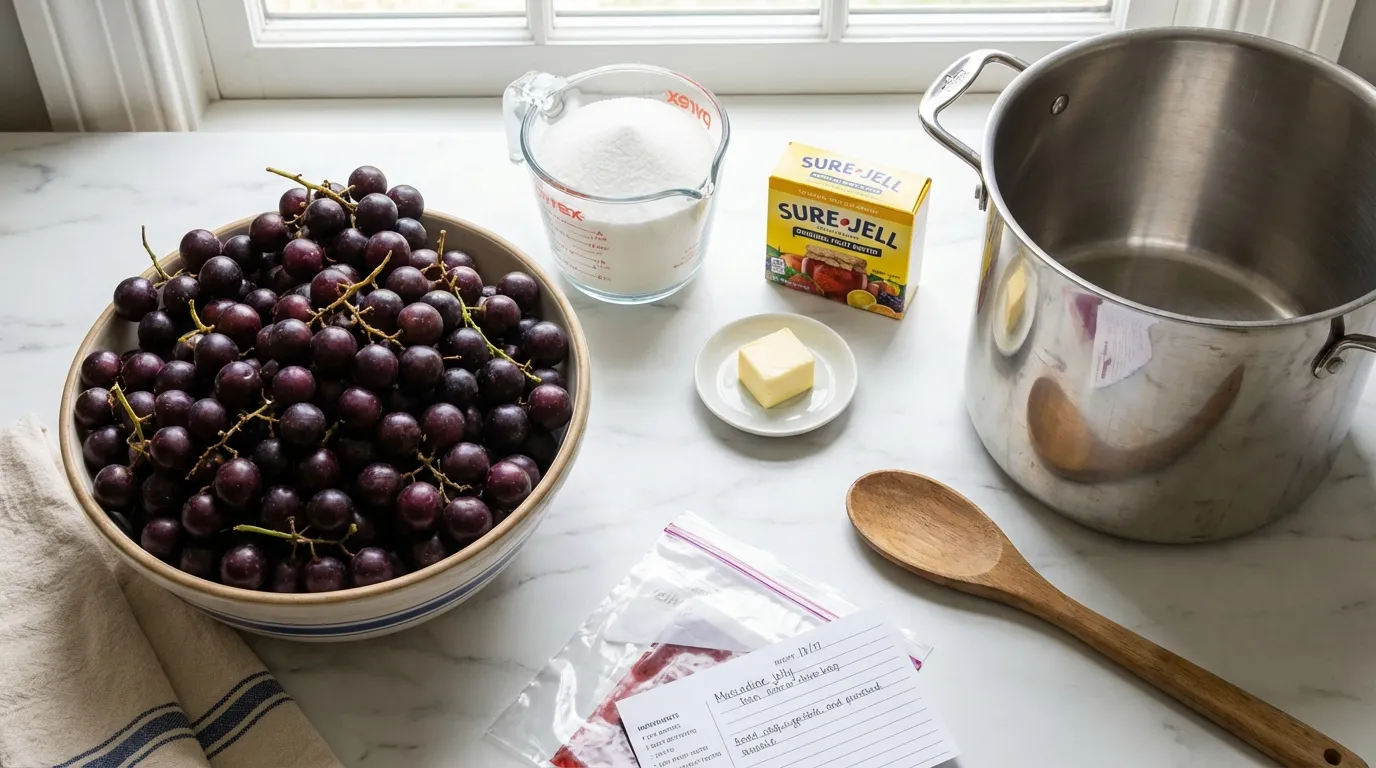
To make a truly great recipe for muscadine grape jelly, you need to understand your ingredients. Canning is a science, and swapping things out willy-nilly can result in jars that don’t seal or jelly that doesn’t set.
- Muscadine Grapes: You will need about 5 to 6 pounds. You can use purple muscadines (often just called muscadines) or the bronze variety (Scuppernongs). I personally prefer the purple ones for this muscadine jelly recipe because they yield that deep, amethyst color.
- Sugar: Use standard granulated white cane sugar. Do not substitute with honey or artificial sweeteners unless you are using a specific pectin designed for them, as sugar structure is vital for the set.
Fruit Pectin: I use powdered pectin (like Sure-Jell) for this recipe. It is consistent and forgiving. Chef’s Note: Check the expiration date on your pectin! Old pectin is the number one cause of jelly failure.*
- Butter (Optional): Just a half-teaspoon. I add this to the boiling pot to break the surface tension, which drastically reduces the amount of foam (scum) you have to skim off later.
- Water: Filtered water is best if your tap water is very hard, as minerals can sometimes cloud the jelly.
How to Make muscadine jelly recipe
Making jelly is a two-part process: extracting the juice and then making the jelly. I recommend doing this over a lazy Sunday afternoon.
Phase 1: Extracting the Juice
1. Wash and Sort: Dump your grapes into a clean sink filled with cool water. Discard any shriveled berries, leaves, or stems. You want only firm, plump fruit.
2. The Crush: Place the grapes in a large, heavy-bottomed stainless steel pot. Add about 1 cup of water (just enough to prevent burning). Using a potato masher, crush the grapes to break the skins.
3. Simmer: Bring the pot to a boil over medium-high heat. Reduce to a simmer, cover, and cook for about 10-15 minutes. You want the grapes to be soft and having released their own juices.
4. Strain: This is the most critical step for a clear muscadine jelly. Place a colander over a large bowl and line it with several layers of cheesecloth or a damp jelly bag. Pour the hot fruit mixture in.
Chef’s Tip:* Do not squeeze the bag. I know it’s tempting to squeeze every drop out, but squeezing pushes tiny solids through the cloth, making your jelly cloudy. Let it drip naturally for at least 2 hours, or preferably overnight in the fridge.
Phase 2: Making the Jelly
1. Measure: You need exactly 5 cups of prepared juice. If you are slightly short, add a splash of water. If you have too much, save the extra for a drink—do not just dump it all in, or the pectin ratio will be off.
2. Dissolve Pectin: Pour the 5 cups of juice into a large pot (at least 6-8 quarts). The mixture will expand rapidly when boiling. Whisk in the powdered pectin until dissolved. Add the dab of butter here if using.
3. Hard Boil: Bring the mixture to a full rolling boil on high heat. A rolling boil means it keeps bubbling even when you stir it.
4. Add Sugar: Quickly pour in all the sugar at once. Stir constantly. Return the mixture to a full rolling boil and boil for exactly 1 minute. Set a timer. This minute is crucial for activating the pectin in this muscadine jelly recipe.
5. Skim: Remove from heat. If there is any foam on top, gently skim it off with a metal spoon.
Phase 3: Canning (Water Bath)
1. Fill Jars: Ladle the hot jelly into sterilized half-pint jars, leaving ¼-inch headspace at the top. Wipe the rims with a clean, damp cloth to ensure no stickiness prevents a seal.
2. Seal: Place the lids on and screw the bands until “fingertip tight.”
3. Process: Place jars in a boiling water canner. Ensure they are covered by at least 1 inch of water. Process for 5 minutes (adjust for altitude if necessary).
4. Cool: Remove jars and place them on a towel on the counter. Listen for the satisfying “pop” of the lids sealing. Let them sit undisturbed for 24 hours.
Expert Tips for Perfect Results
I have made every mistake in the book so you don’t have to. Here is how to take your muscadine grape jelly recipe from good to professional quality.
- Prevent Crystals: Muscadines are high in tartaric acid, which can form glass-like crystals in your jelly over time. To prevent this, after extracting your juice (Phase 1), let it sit in the fridge for 24 hours. The crystals will settle to the bottom. When you pour the juice into the boiling pot, be careful not to disturb the sediment at the bottom of the container.
- The Spoon Test: Not sure if it’s set? Dip a cold metal spoon into the boiling jelly. When you lift it, the drops should merge together and “sheet” off the spoon rather than dripping like water.
- Sterilization is Key: Even though we are processing the jars, I always start with hot, sterilized jars. It prevents the glass from breaking due to thermal shock when you pour in the boiling jelly.
- Batch Size: Do not double this recipe muscadine jelly. Pectin struggles to set in very large volumes. If you have 10 pounds of grapes, make two separate batches.
Storage & Reheating
Once you have completed this muscadine jelly recipe, proper storage ensures you can enjoy the taste of summer in the dead of winter.
- Pantry: Sealed jars will last in a cool, dark pantry for up to 12 months. After a year, the quality and color may degrade, but it is usually still safe to eat if the seal holds.
- Refrigerator: Once opened, store the jar in the fridge. Because this is a homemade preservative-free product (other than sugar), it should be consumed within 3 weeks.
- Freezer: If you don’t want to can, you can use freezer-safe containers. Leave ½-inch headspace for expansion. It will last 6 months in the freezer. Thaw in the fridge overnight.
Serving Suggestions
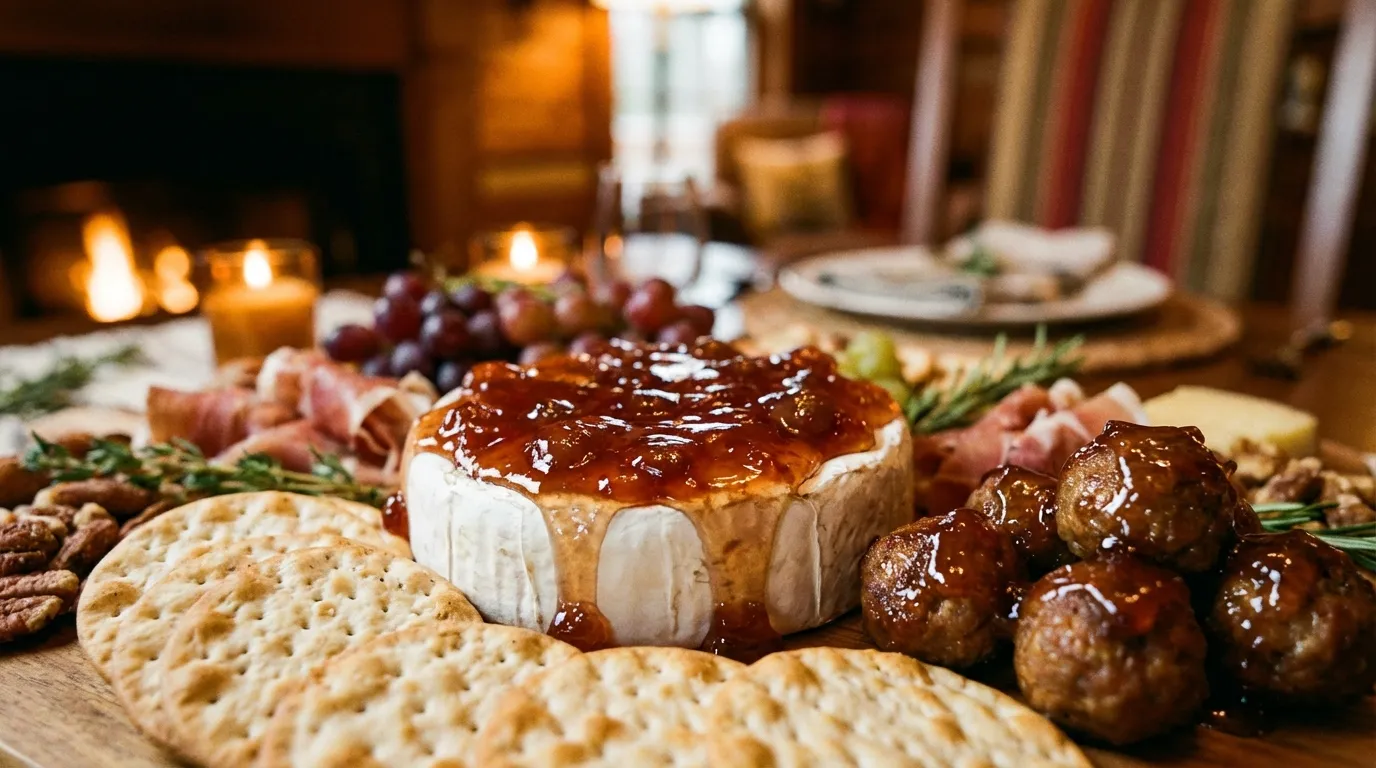
This jelly is robust. It has a thicker, earthier profile than standard grape jelly. Obviously, it is incredible on a hot buttered biscuit, but here are my favorite pairings:
- The Ultimate Breakfast: Toast a slice of hearty grain bread. I highly recommend pairing this sweet jelly with the nutty, dense texture of this Ezekiel bread recipe. The combination of the complex carbohydrates in the bread and the sharp sweetness of the jelly is breakfast perfection.
- Charcuterie Board: Pour the jelly over a block of cream cheese or a wheel of warm Brie. Serve with crackers.
- Glaze: Melt the jelly down with a little mustard and chili flakes to create a glaze for cocktail meatballs or roast pork tenderloin.
Conclusion
There is a profound satisfaction in hearing the “pop, pop, pop” of jars sealing on the counter. It signifies that your hard work has paid off. This muscadine jelly recipe is more than just instructions; it is a preservation of heritage and flavor. The taste is nostalgic for many, and for newcomers, it is an instant favorite.
I hope this guide gives you the confidence to tackle your own batch. The deep purple color makes these jars beautiful gifts for the holidays, provided you can bear to part with them!
Common Questions About muscadine jelly recipe
Can I use low sugar pectin for this recipe?
Yes, but you must buy the specific box labeled “Low Sugar” or “No Sugar Needed.” Do not just reduce the sugar with regular pectin, or your muscadine grape jelly recipe will turn out like soup. The chemical reaction requires high sugar for standard pectin.
Why didn’t my muscadine jelly set?
The most common culprits are: using old pectin, not boiling for the full minute, or doubling the batch. If it didn’t set, you have a delicious muscadine syrup for pancakes!
What is the difference between Muscadines and Scuppernongs?
Scuppernongs are actually a variety of muscadine! They are bronze/green in color. You can use this same recipe for muscadine grape jelly with Scuppernongs; the result will just be a golden-amber color instead of purple.
Do I really need a water bath canner?
For long-term storage, yes. If you skip the water bath, you must store the muscadine jelly in the refrigerator and eat it within a few weeks (or freeze it). The water bath kills bacteria and creates the vacuum seal needed for pantry storage.
Can I use store-bought grape juice?
You can, but it won’t be a muscadine jelly recipe. Store-bought juice is usually Concord grape, which tastes very different. For the authentic Southern experience, you need the thick skins and unique flavor profile of fresh muscadines.